Learning to recognise and remember plants can be deeply rewarding, whether you’re a gardener, nature lover, artist, or student of garden design. While books and online resources are helpful, the most effective ways to study plants involve active observation and real experience. Below are some practical, memorable methods that can help you truly understand and remember the plants you see around you.
1. Keep a Plant Sketch Diary
One of the most powerful ways to study plants is by drawing them. A plant sketch diary encourages you to slow down and really look into details.
When you sketch a plant, you notice details you might otherwise miss:
- The shape and edge of the leaves
- The structure of flowers and stems
You don’t need to be an artist. Simple line drawings with notes are enough. Over time, your sketch diary becomes a personal reference book filled with plants you’ve actually seen in the real world.
2. Create a Photo Journal
If drawing isn’t your preference, a photo journal is an easy option. Take clear photos of plants you see outdoors and organise them by season.
To make this method more effective:
- Photograph the whole plant, not just the flower
- Include close-ups of leaves, buds, and stems
- Add short notes about where you found it, where in the planting bed it was planted when you found it (foreground/background)
Reviewing your own photos helps reinforce memory far better than scrolling through generic images online.
3. Photocopy Real Plant Samples (Full Colour)
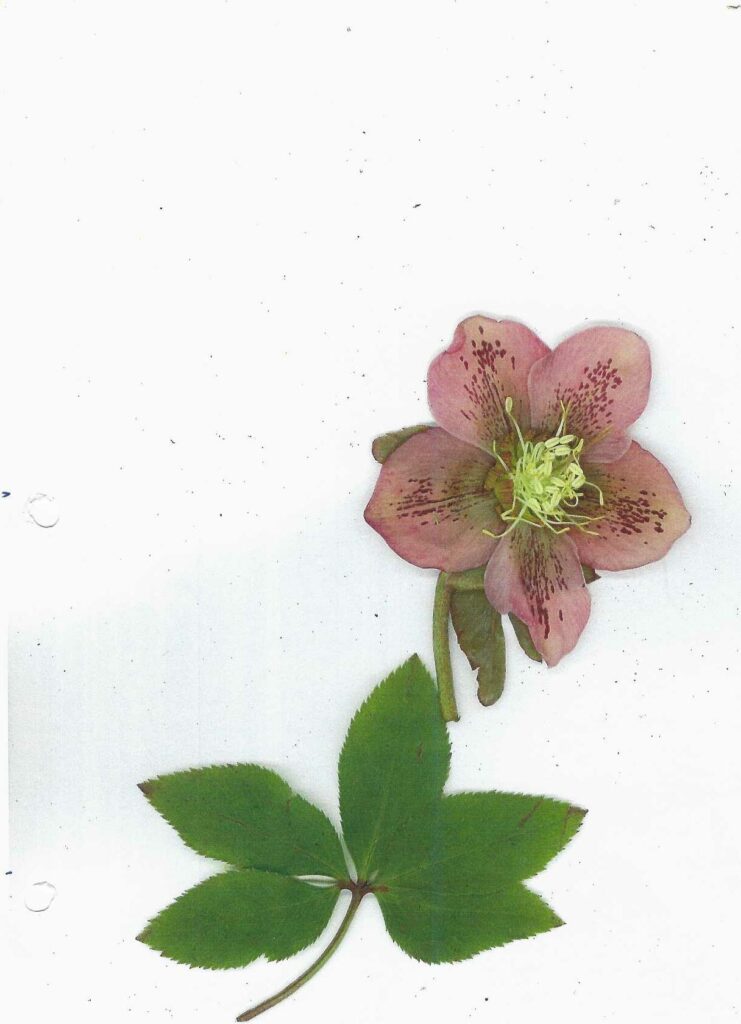
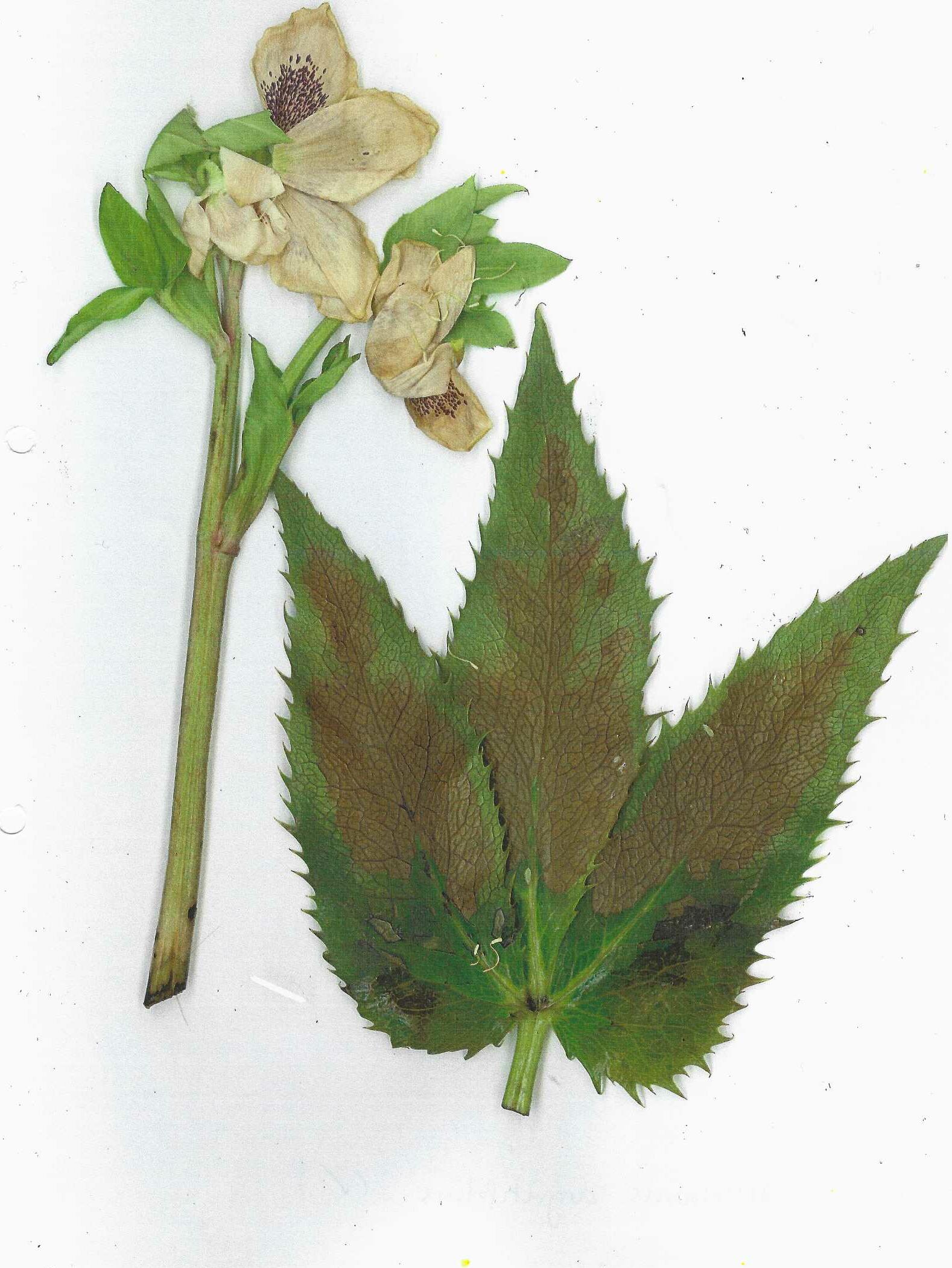
For me, one of the best and most realistic methods is taking plant samples and photocopying them in full colour. Above you can see a photocopy of my own plant journal that shows a Helleborus x hybridus
A photocopy captures:
- The true size of leaves and flowers
- The exact texture of the plant
- A realistic colour representation
Unlike drawings or photos, a full-colour photocopy creates an almost perfect portrait of the plant. When you look back at it, you’re seeing something very close to the real thing, which makes it much easier to remember.
(Always take samples responsibly and only where it’s allowed.)
4. Gain Real Experience by Growing Plants
The very best way to study plants is through direct experience.
Planting and caring for plants in your garden—or even in pots—allows you to:
- Watch them change through the seasons
- Learn how fast they grow
- Understand their needs for light, water, and soil
When you look after a plant yourself, you create a connection with it. You remember it better because you’ve experienced it over time, not just observed it once.
We remember plants best when we engage multiple senses—seeing, touching, caring, and observing over time. Experience turns information into memory.
Whether you’re sketching, photographing, photocopying, or gardening, the key is the same:
active involvement leads to deeper understanding.