The View House
Lafkos, Pelion Peninsula
Type |
Private Villa |
|---|---|
Location |
Lafkos, Pelion Peninsula |
Planting Design |
Lily Bakratsa |
Client |
Private |
Agronomist |
Papantoniou Yannis |
|---|---|
Status |
In progress |
RIBA Stages |
0-5 |
Plant & Ceramics Supply |
Heart & Fire Cretan Pots |
Overview
A Mediterranean hillside retreat overlooking the Aegean Sea
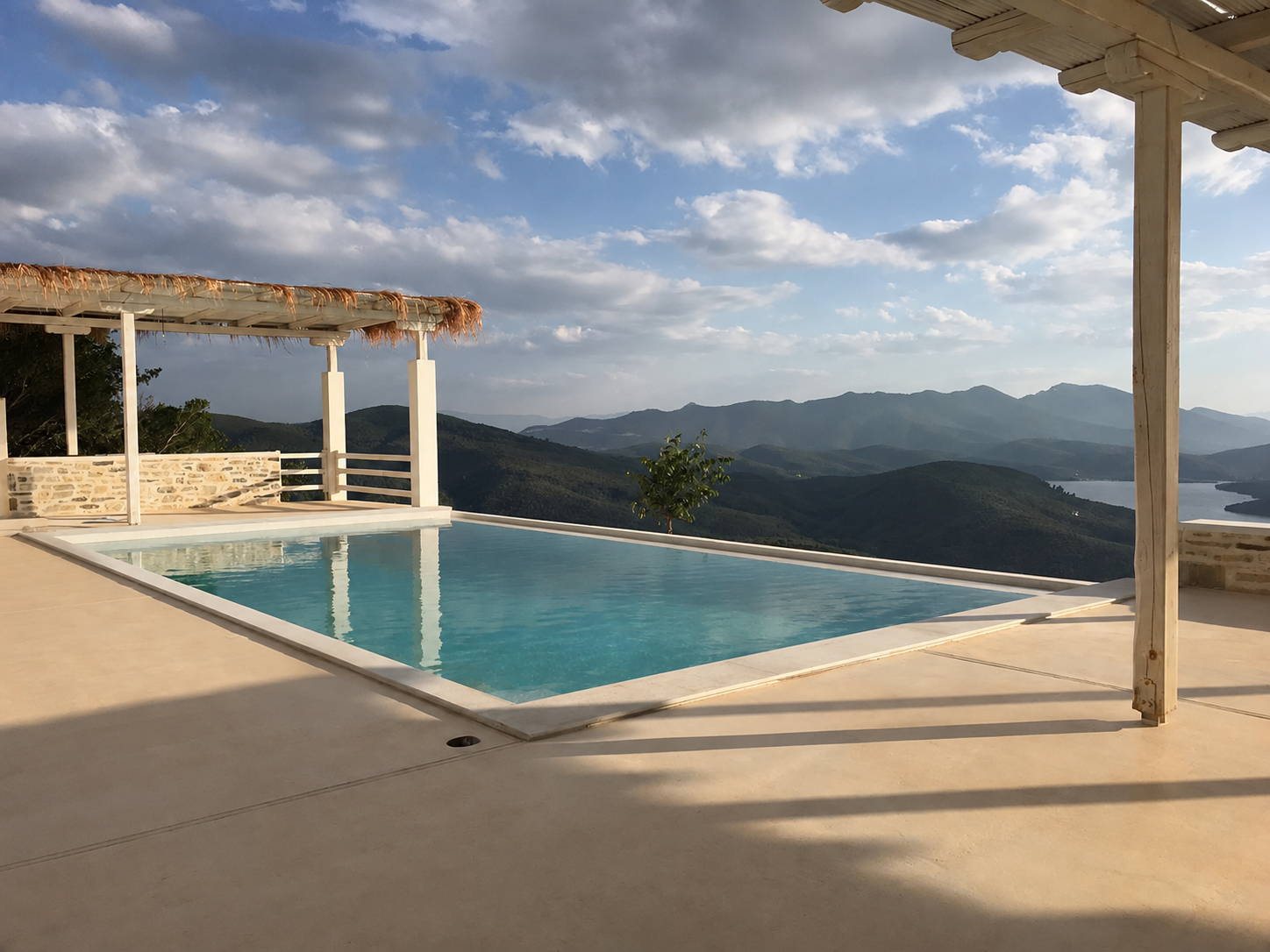
Perched on the mountainside of the Pelion Peninsula overlooking the Aegean Sea, this private villa was designed as a peaceful holiday retreat for a family seeking privacy, authenticity, and a strong connection to the surrounding landscape.
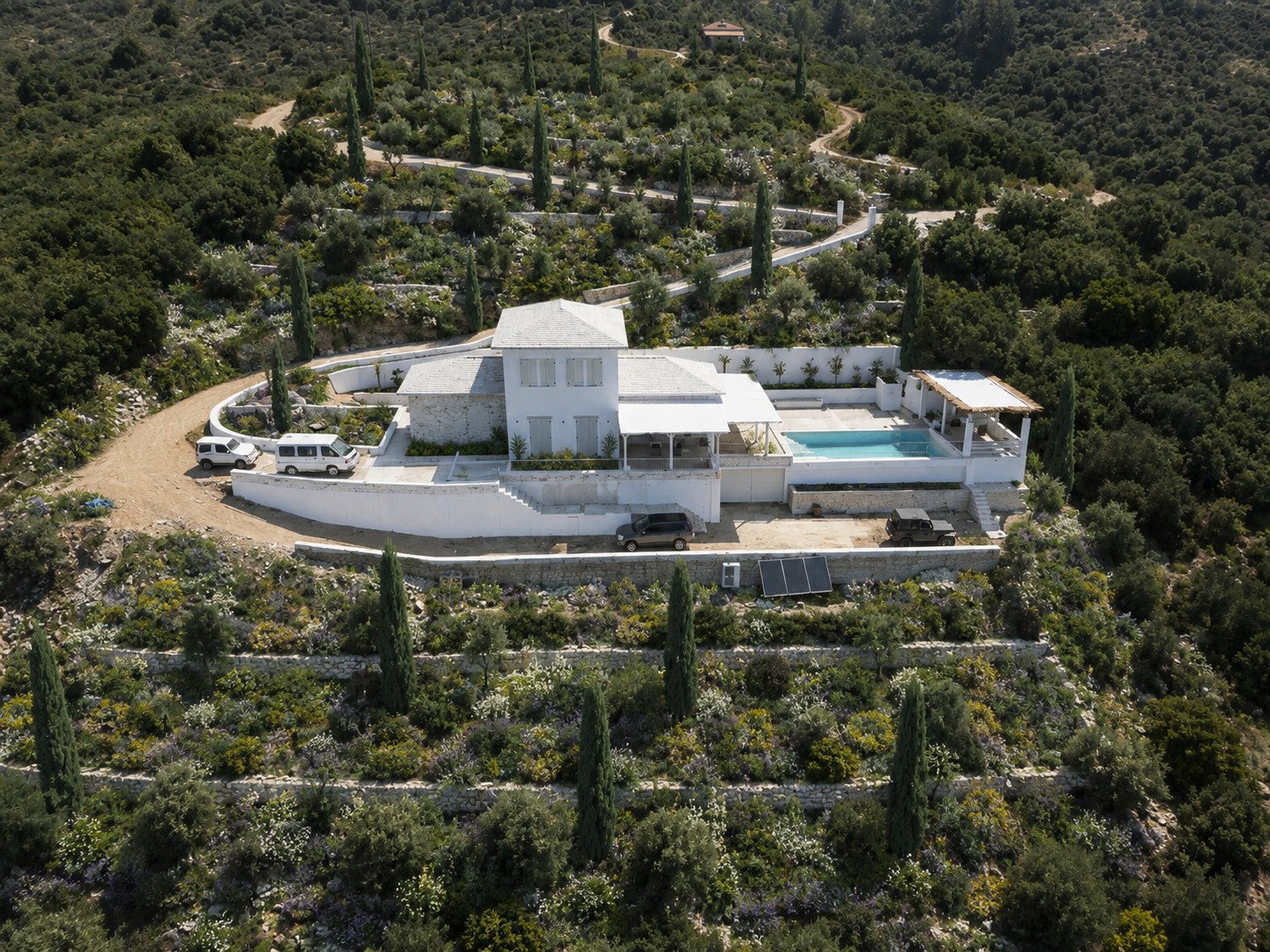
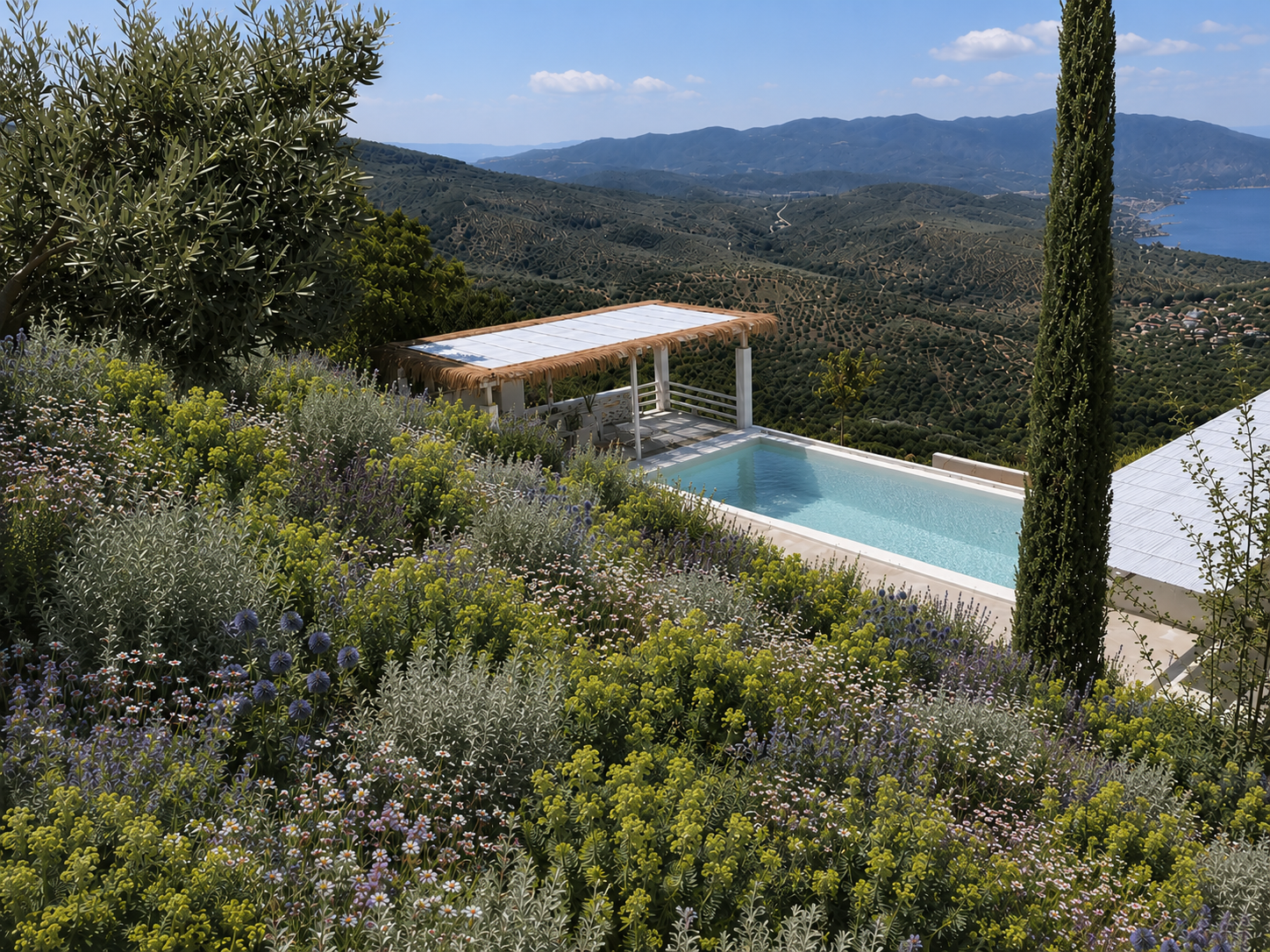
The site’s steep topography presented both a challenge and an opportunity. A series of carefully crafted stone terraces transformed the hillside into a sequence of functional outdoor spaces, creating level areas for living, entertaining, and relaxing while preserving the natural character of the mountain. Inspired by the rugged beauty of Pelion, the planting design embraces a drought-tolerant Mediterranean palette composed primarily of native and locally adapted species. Towering cypress trees establish a distinctive identity, frame key views, and anchor the garden within its dramatic setting.
Design approach
A landscape rooted in ‘Place’
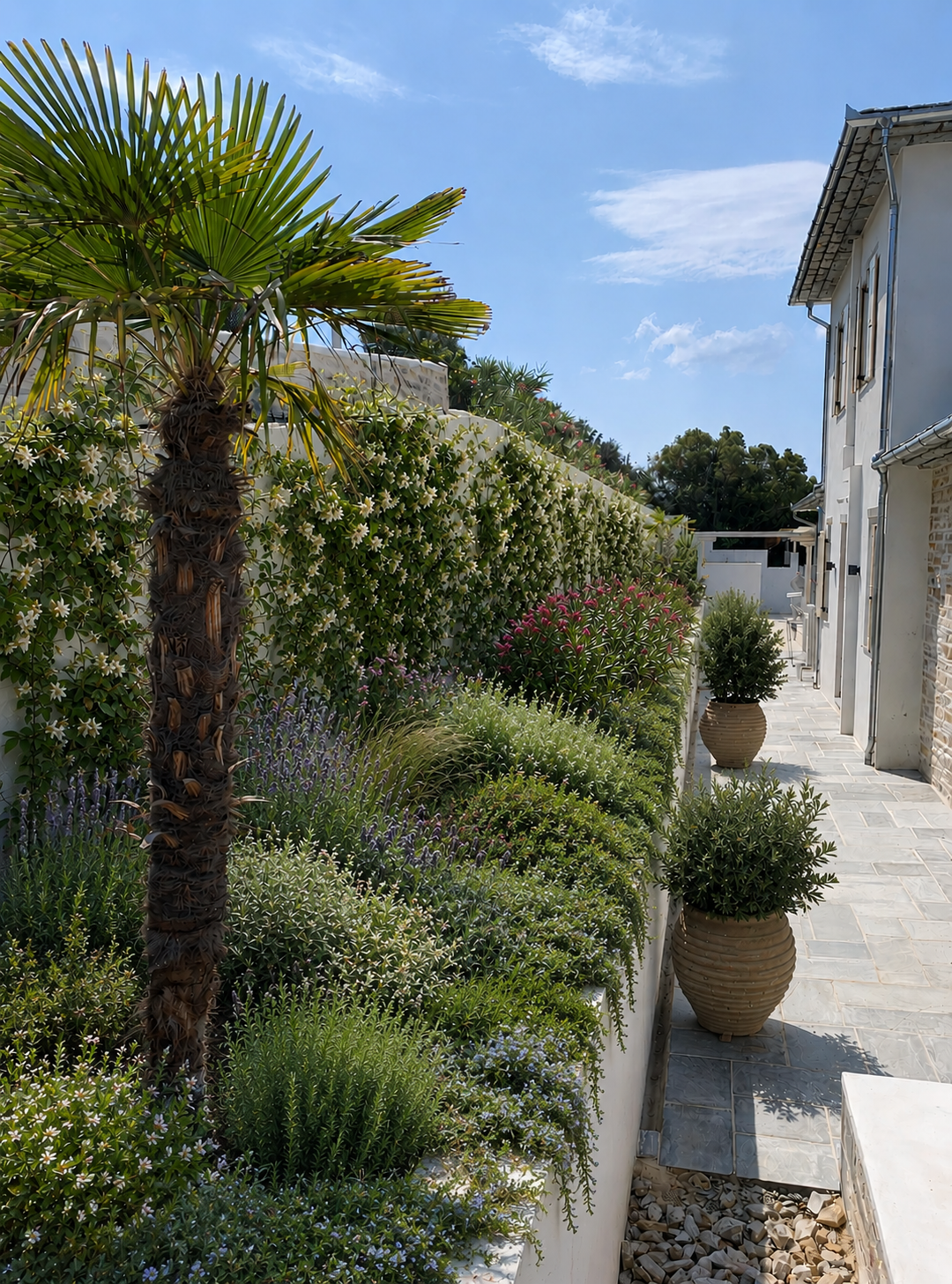
Rather than imposing a garden on the site, our approach was to reveal the essence of Pelion. Inspired by the region’s native flora and traditional materials, we designed a series of terraced outdoor spaces that blend seamlessly with the mountainside. For the owners, this was more than a holiday home—it was an opportunity to experience the richness of the Greek landscape through fragrant planting, vibrant seasonal colour, natural stone, and iconic cypress trees. The result is a garden that feels authentic, enduring, and unmistakably Mediterranean.
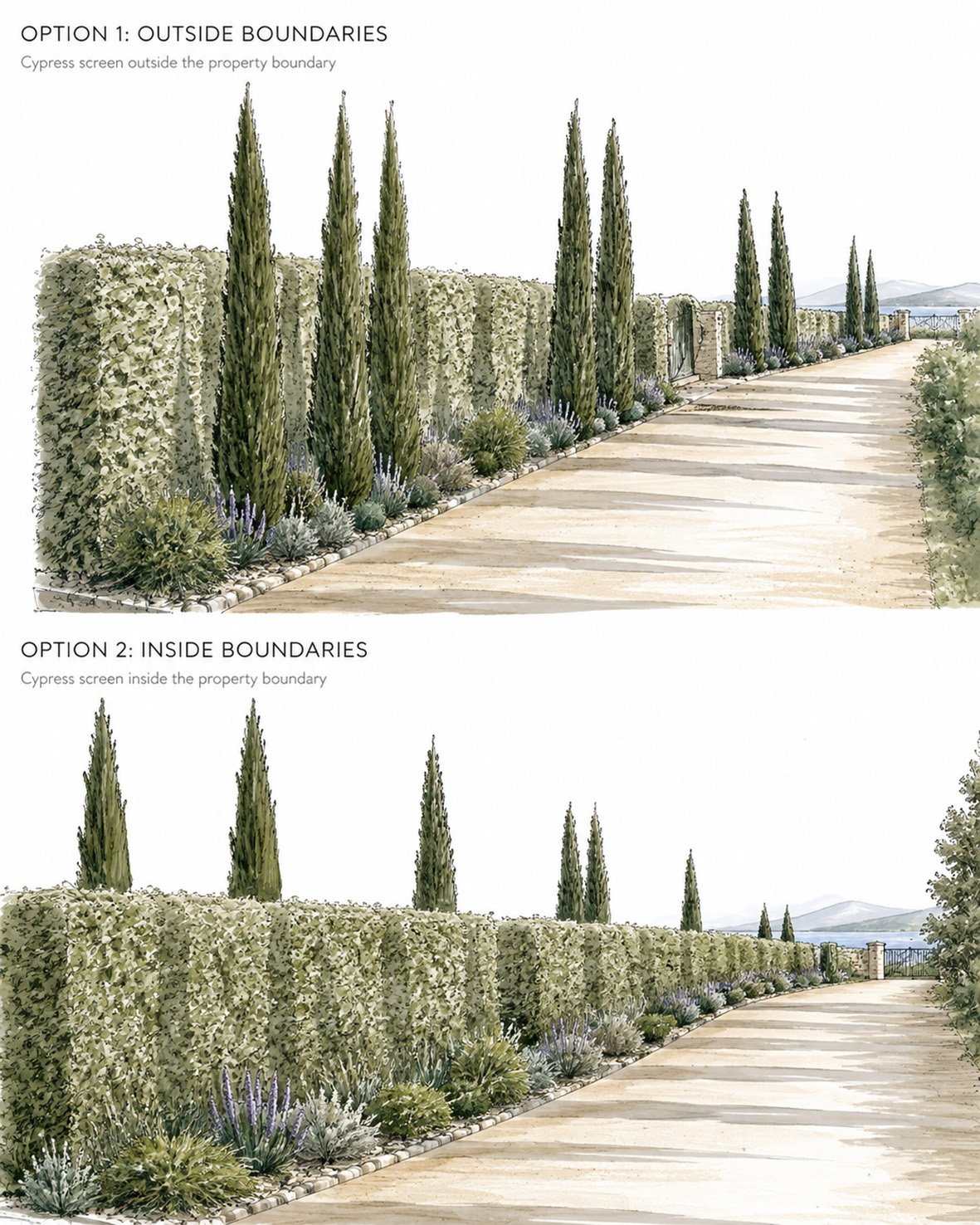
Boundaries strategy
Blending with the existing landscape
The boundary strategy was developed to dissolve the distinction between the private garden and the surrounding Pelion landscape. Rather than creating a defined perimeter, we used groups of Mediterranean cypress (Cupressus sempervirens) to extend the natural rhythm of the mountainside across the site.
Planted individually and in carefully composed clusters of two and three, the trees follow the contours of the land, reinforcing the existing topography and guiding the eye through the landscape. Their sculptural vertical form creates a distinctive identity for the property while remaining deeply rooted in the character of the region.
Viewed from above, the once-exposed terraces and areas of disturbed ground are transformed into a landscape that appears established and seamlessly integrated with its surroundings—a garden that enriches the hillside rather than competing with it.